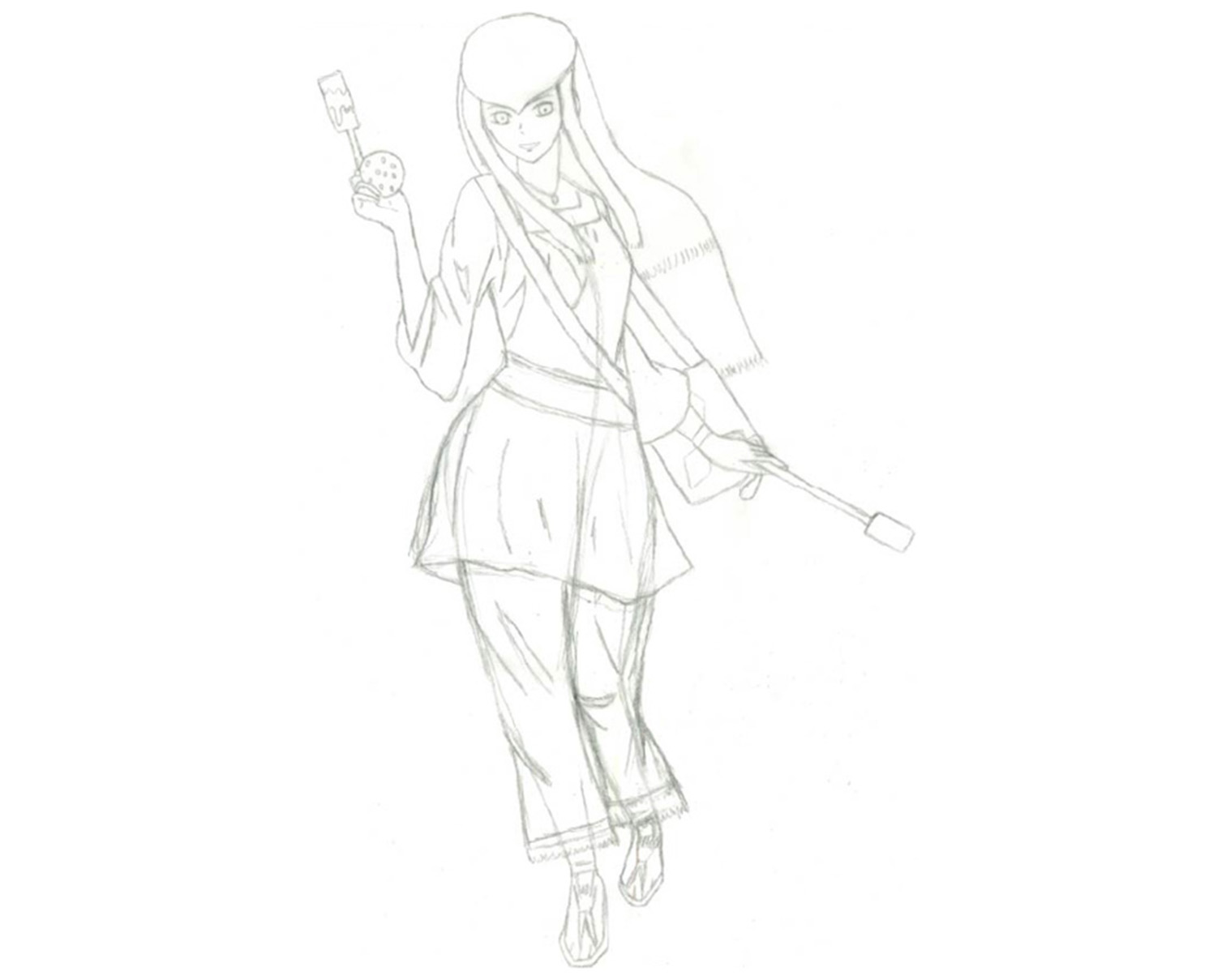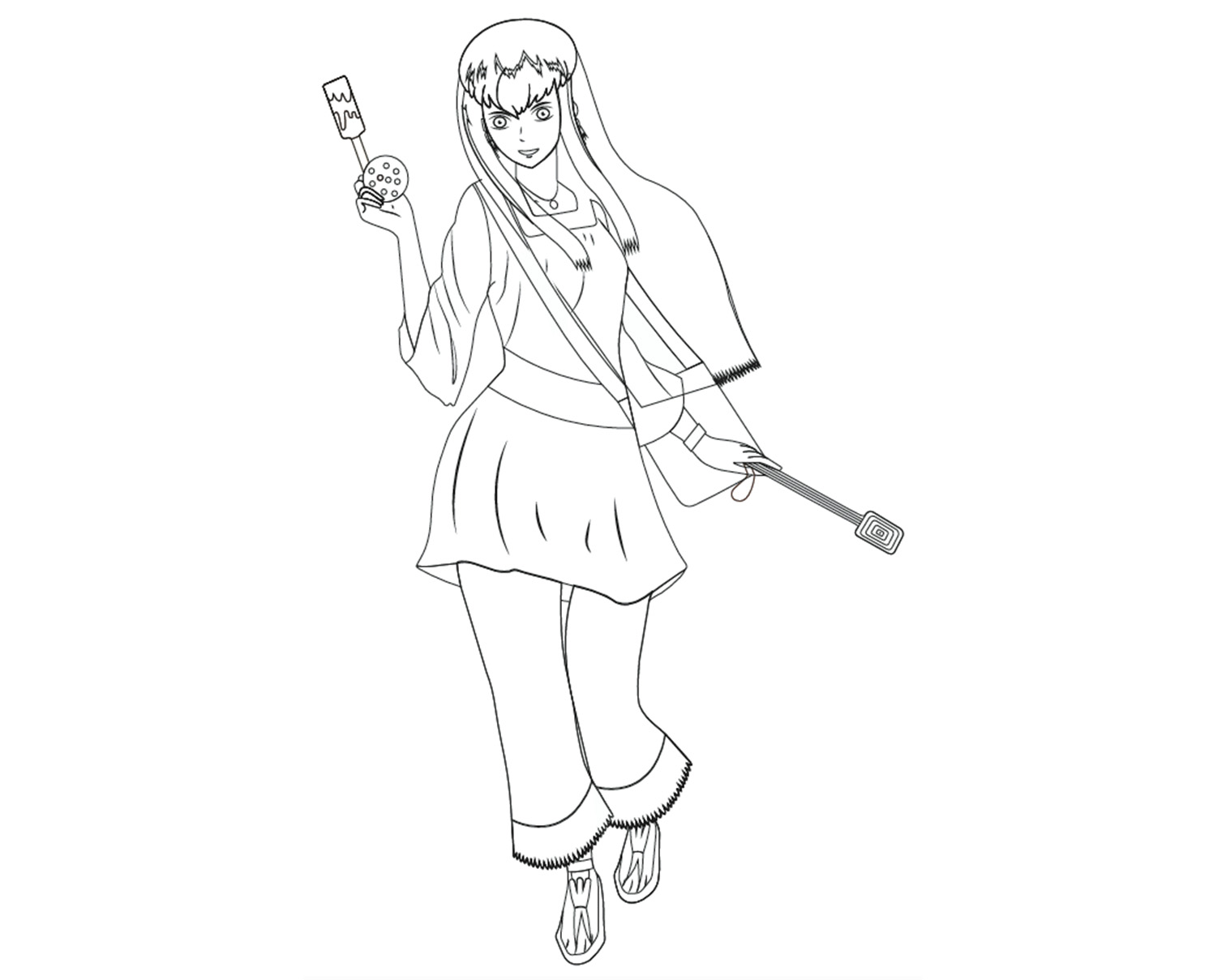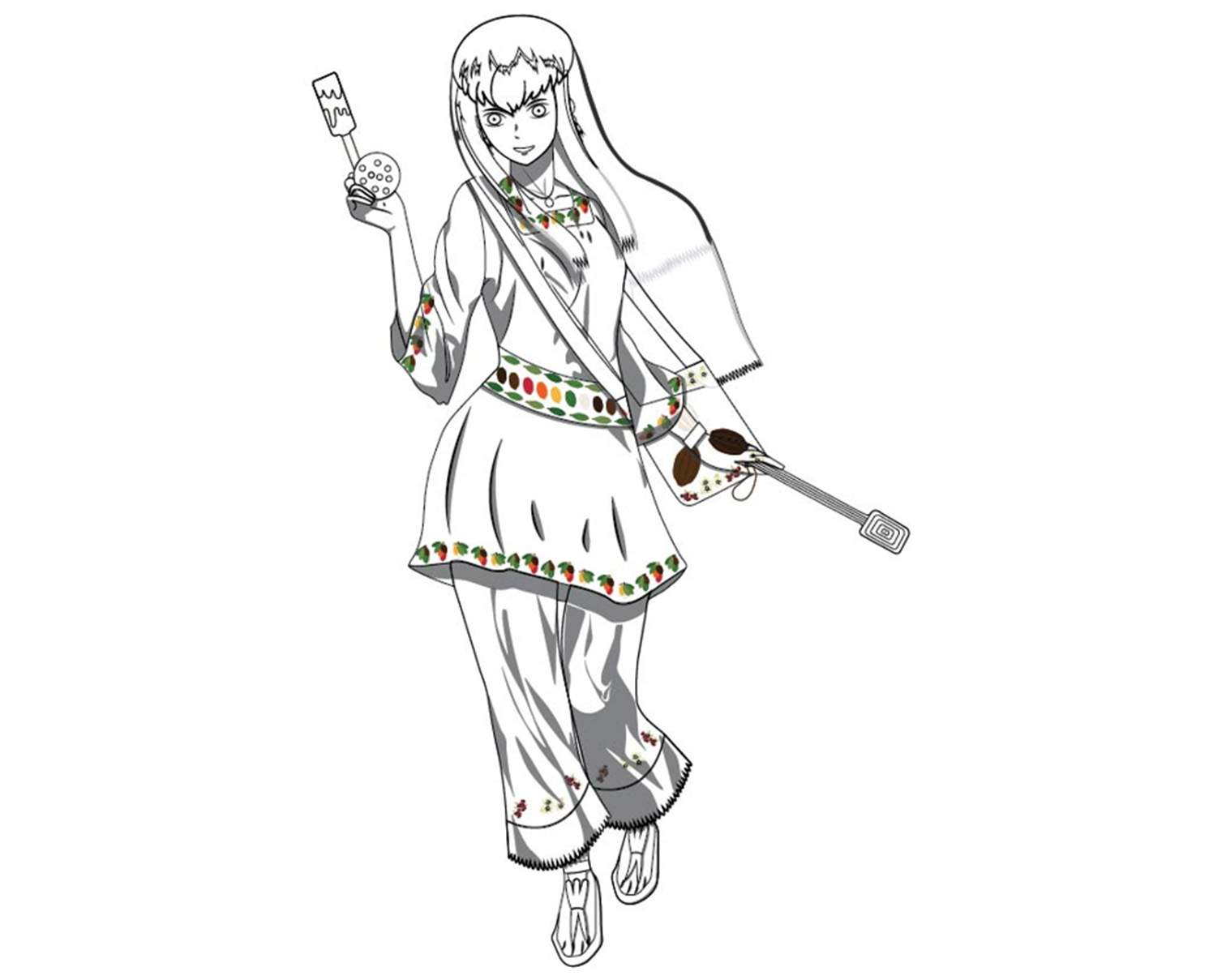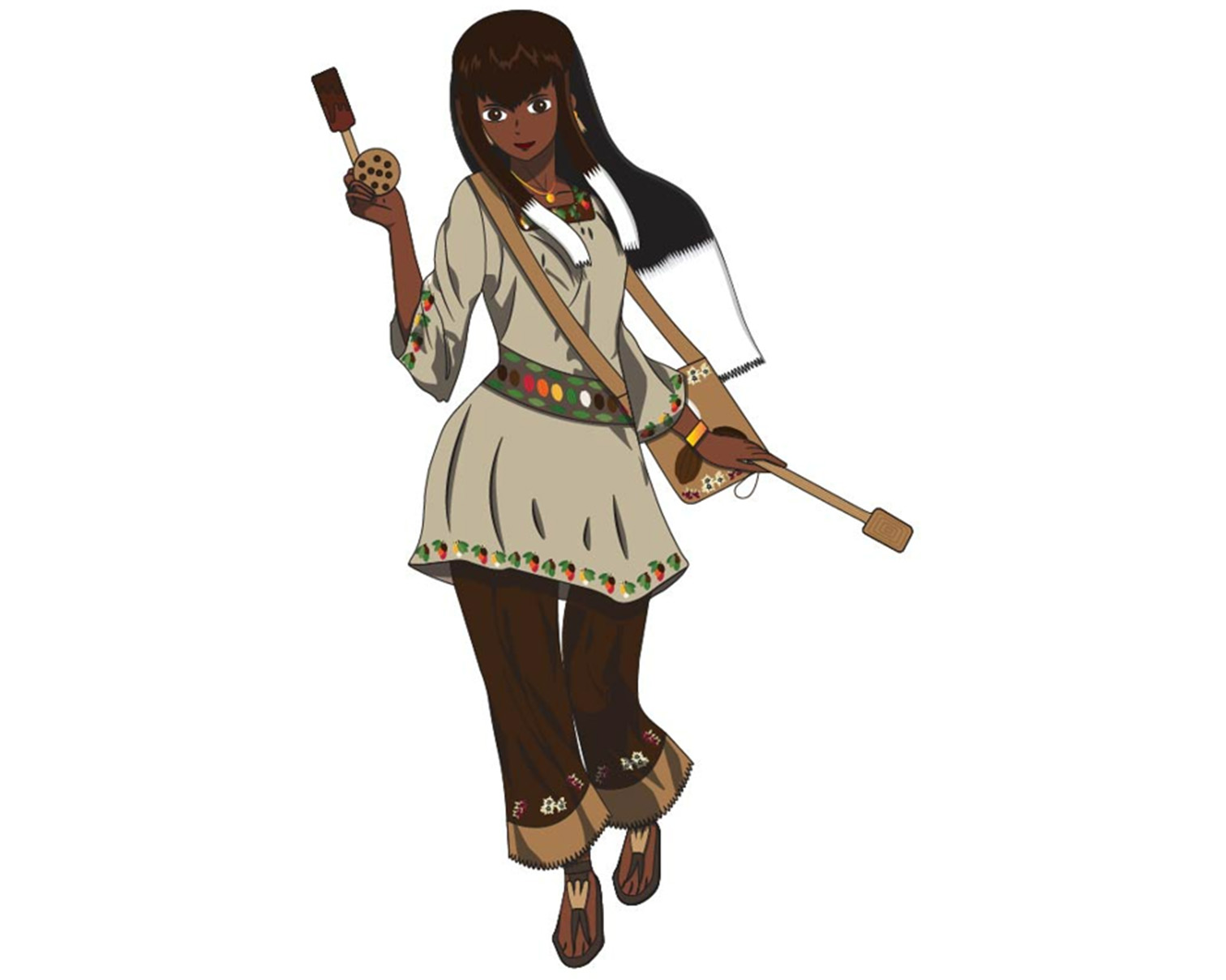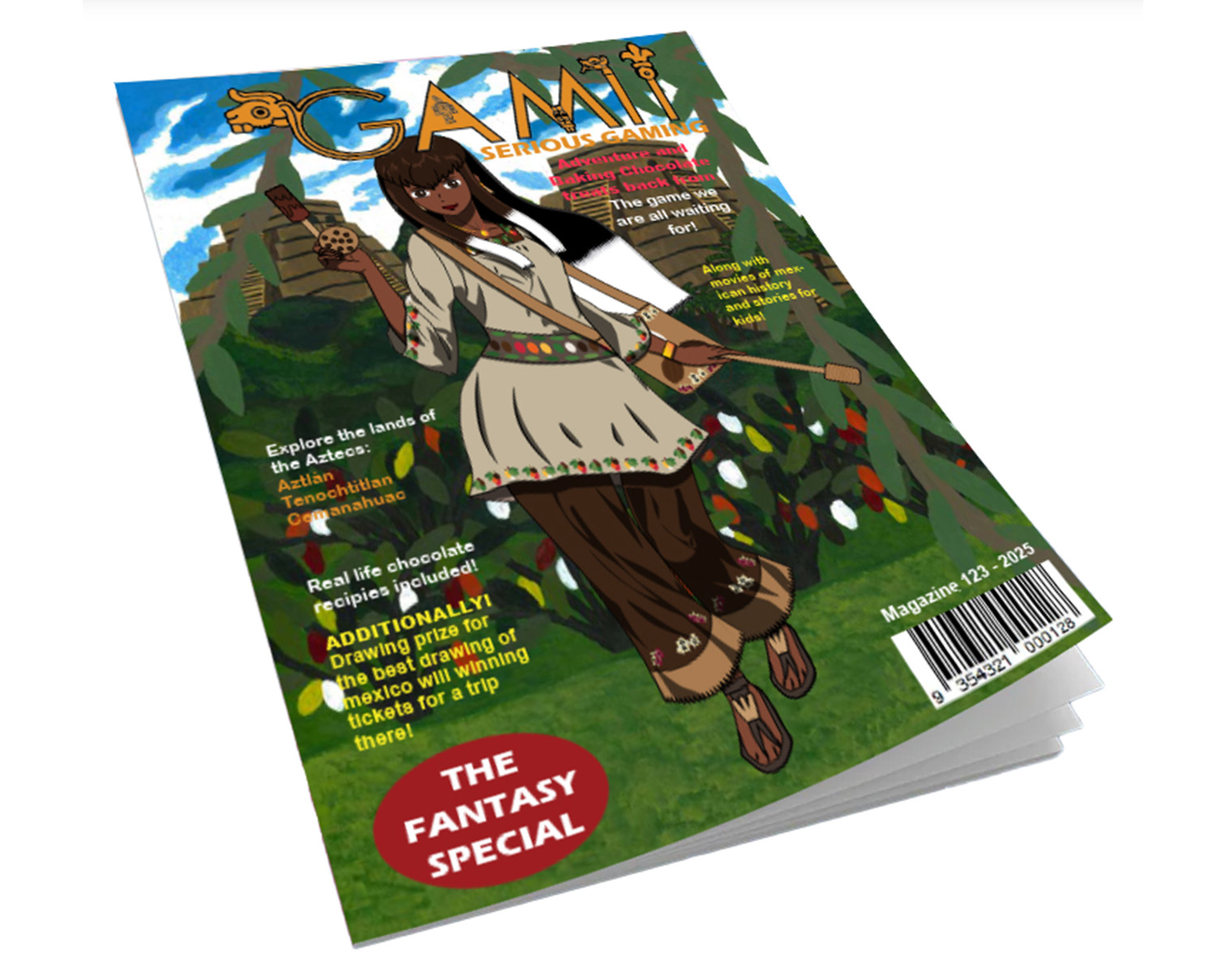
You have been asked to design the prototype of a cover for a new gaming magazine GAMIT.
The client requires a highly finished mock-up of the complete magazine front cover.
You will be required to design a unique masthead and three characters for a fictitious adversary-type game. The final figures will be put into context (scene) to complete the cover art.
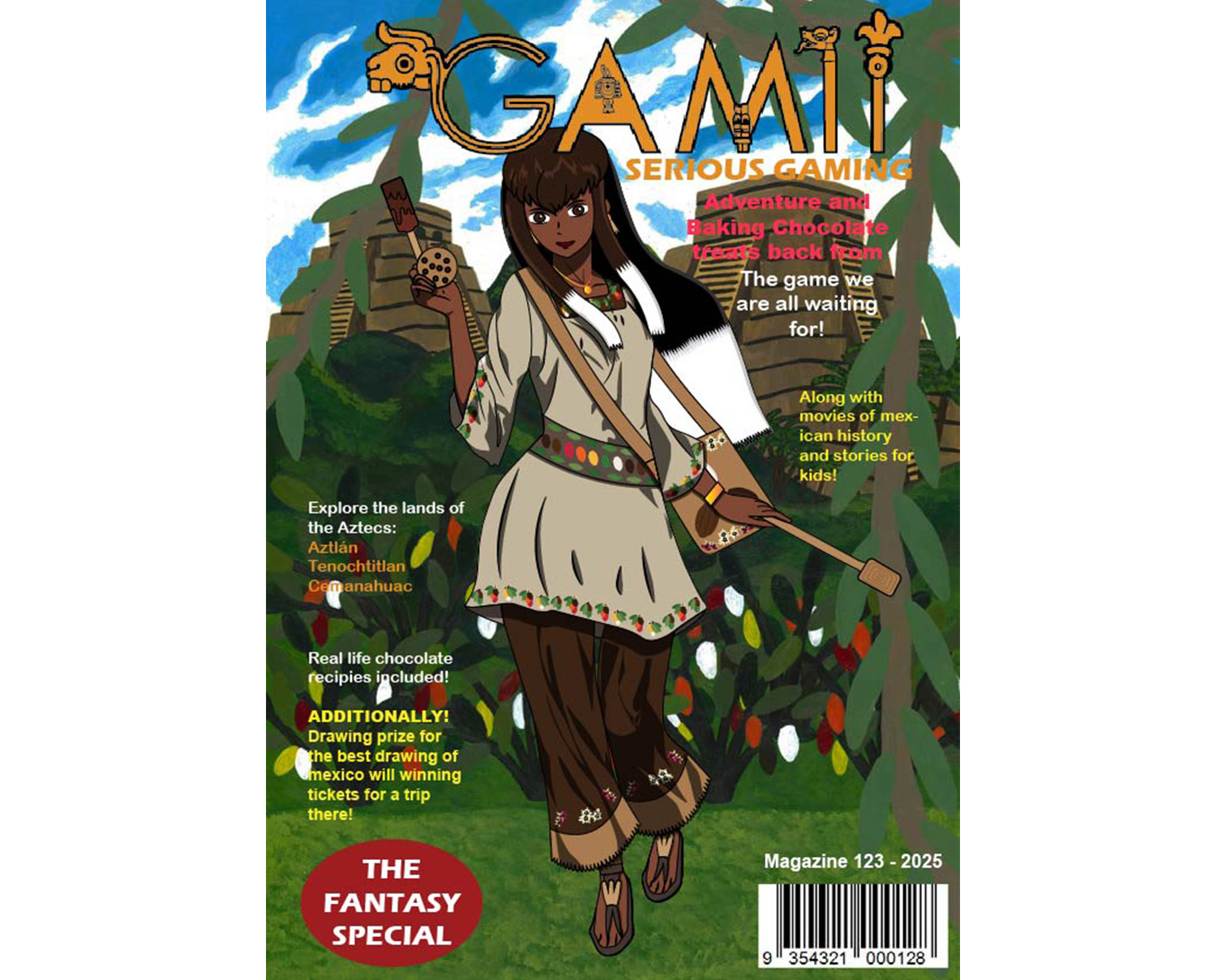
The design brief was to create a striking and visually engaging magazine cover for Gamit, a new gaming publication concept. This required a design that captured the excitement and creativity of the gaming world while appealing to a broad audience of players and enthusiasts. The challenge was to develop an original visual identity that balanced illustrative energy with professional magazine design standards.
The video game magazine covers I created featured a travelling Mesoamerican chocolatier who travelled across all parts of Aztec America to find cacao beans to make modern-day chocolate treats and also fought battles with allies against dark magic from demons. The idea of creating modern-day chocolate delights was inspired by the special significance of cacao in ancient times. The concept explored how food created in a different period could exist in two forms: as fascinating game elements where characters enjoyed flavours with smiling faces, and as children in the modern world created contemporary foods.
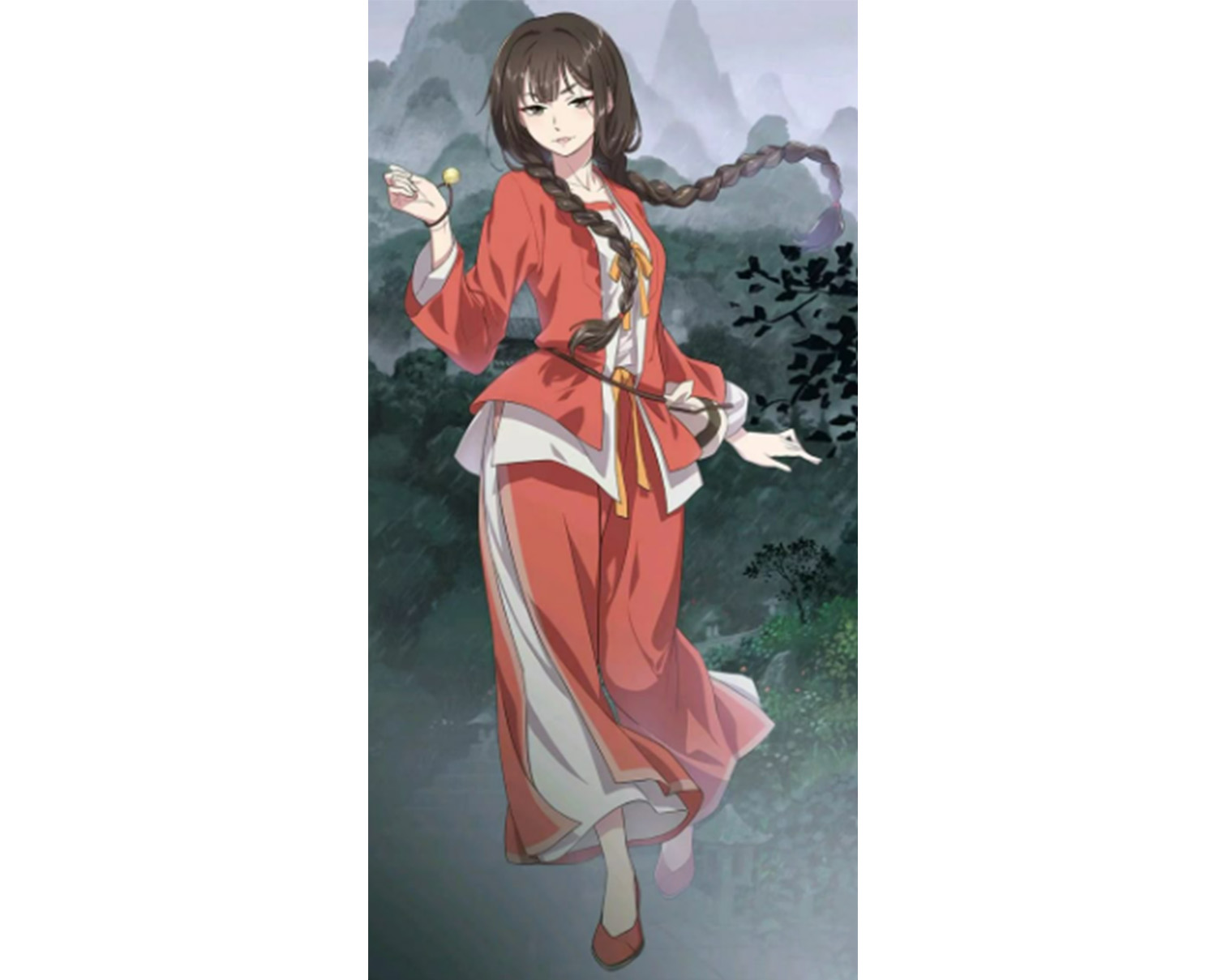
The cover process first involved image searching and sketching, including poses of characters from films or books. I chose the character “Tao Yao” from Fairy Albums, as I liked her design and adventurous spirit. My character was a young girl dressed in
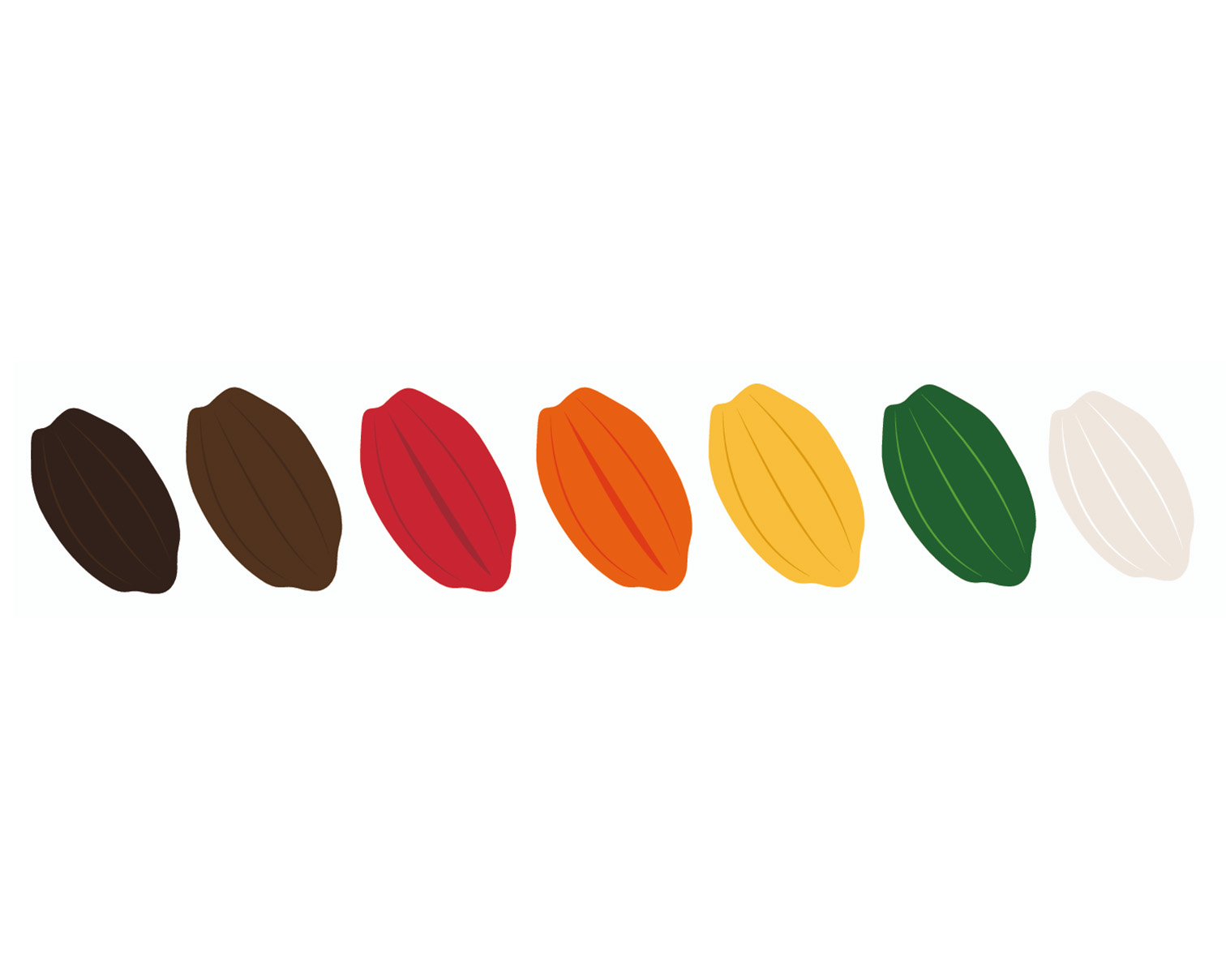
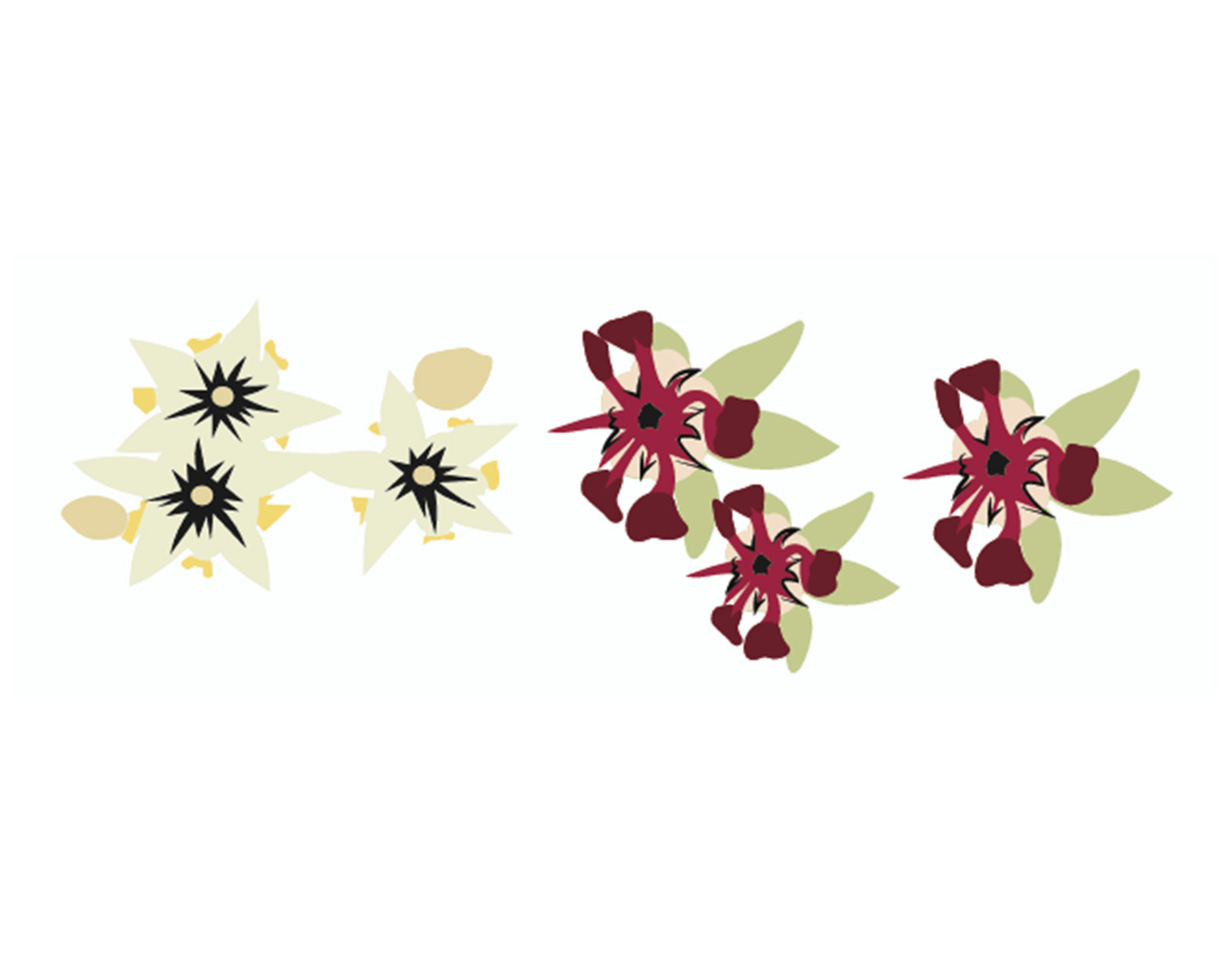
ancient Mesoamerican clothing patterned with cacao flowers, beans, and leaves, along with baking tools and a bag.
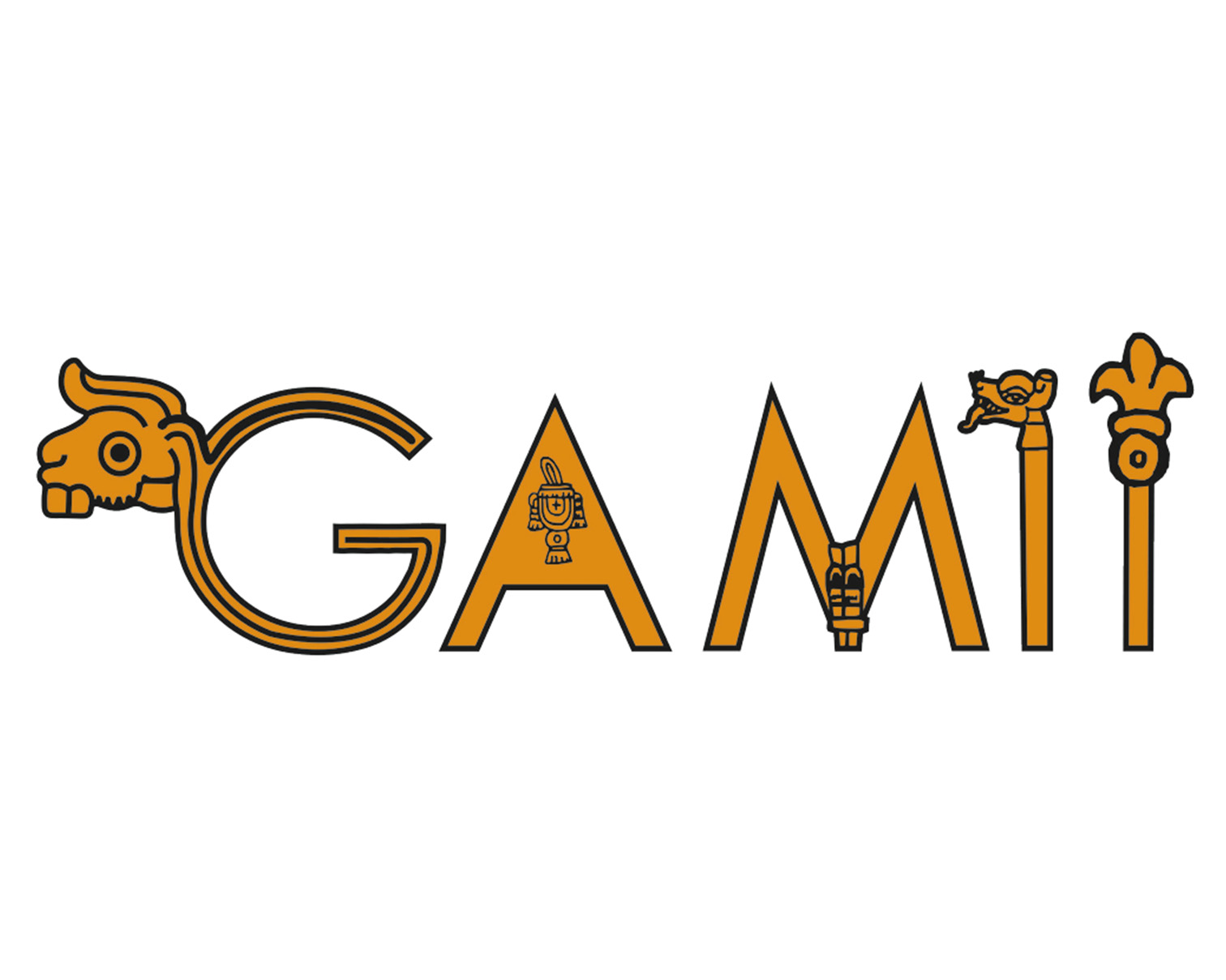
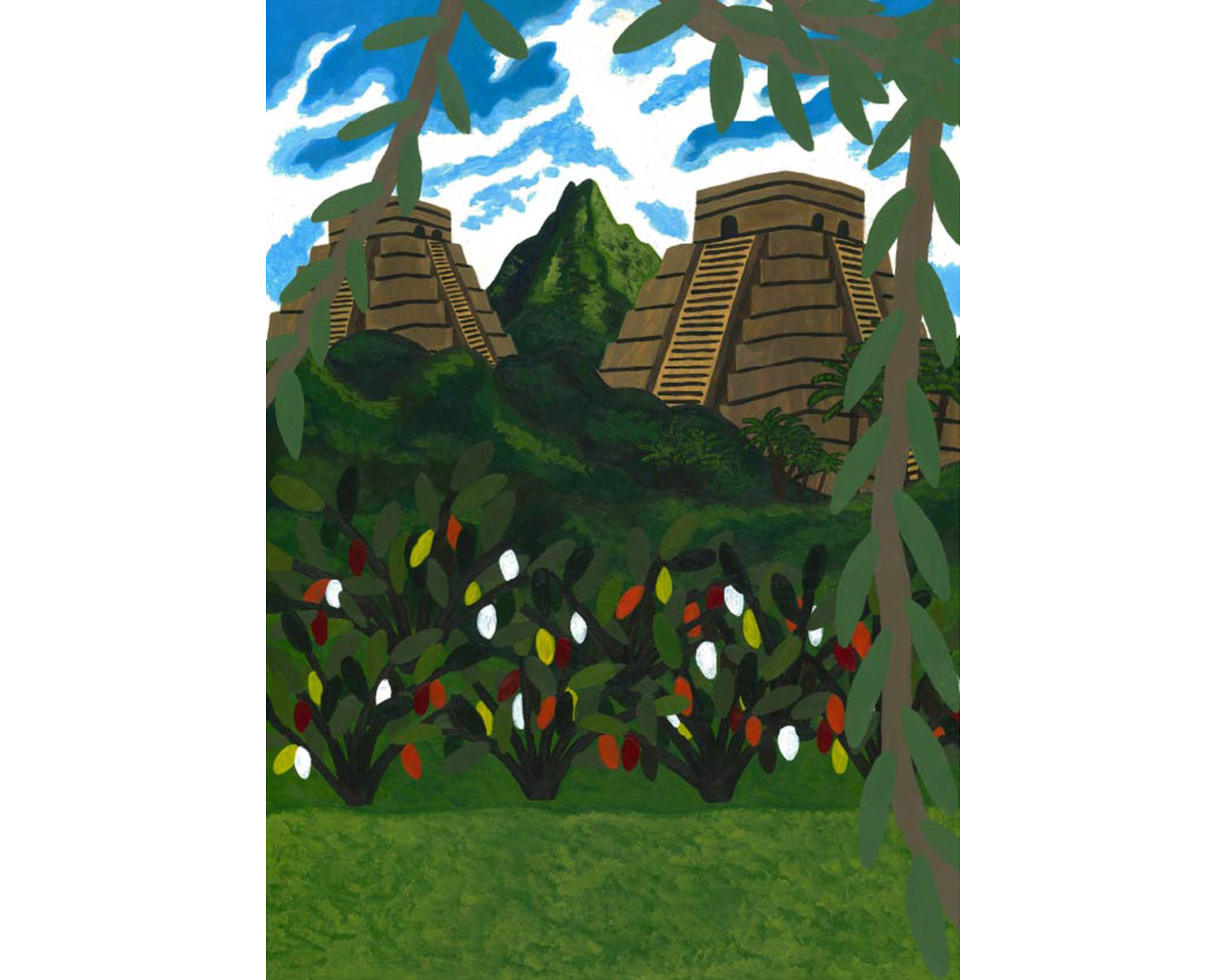
The next step was to create my own font, as I combined Aztec and English influences in the title ‘Gamit’. The background of the magazine cover was handmade to make the character more visually prominent, and then the final composition was placed in InDesign.
Adobe Illustrator: A video game character, patterns, details, and the title were illustrated.
Adobe Photoshop: The bright and dark tones of the magazine background were changed.
Adobe InDesign: The magazine was assembled.